



News
Rubber O-ring leak analysis
- 2016-07-11 17:24:29
-
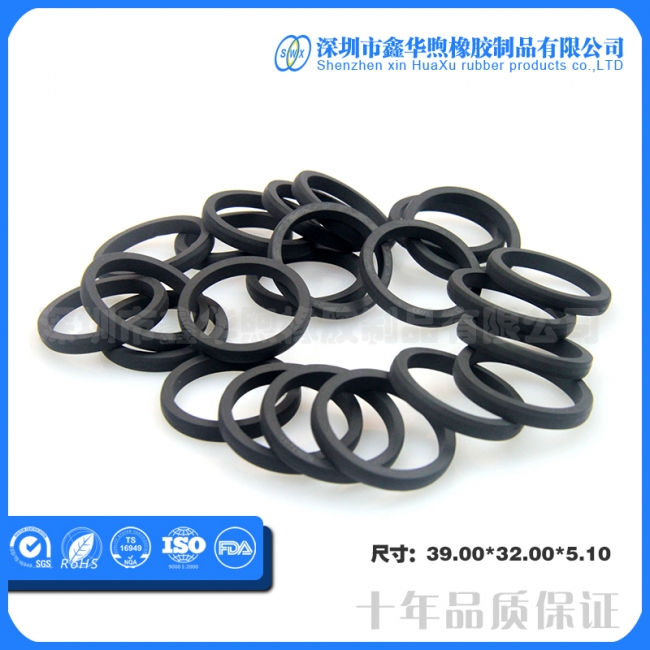 Rubber O-ring leak analysisWe introduced the rubber O-ring which is divided into several cases, but the problems we encounter these relief how to do Here we have to analyze.Manufacturing and assembly factors: All hydraulic components and rubber O-ring seal member have strict dimensional tolerances, surface treatment, surface finish and geometric tolerance requirements. If the difference in the manufacturing process Super League, for example: the radius of the cylinder piston seal groove depth or width, put a ring of pore size tolerance or because of processing problems caused by the loss of a circle, so that the part itself has a congenital leakage point, leakage after assembly or during use.Assembly factors: hydraulic components in the assembly should put an end to the brutal operation, if excessive force will make the rubber O-ring is deformed parts, especially the use of copper and other beat cylinder seal flange; parts before assembly to deal carefully examined, assembly parts should be dipped in a little hydraulic oil, lightly pressed into cleaning diesel applications, especially seals, dust ring, rubber O-rings and other rubber components, if gasoline is making it easy to aging and lose their elasticity, thereby loss of sealing performance.Digging machine parts and oil pollution damage can be subdivided into gas pollution, particulate pollution, water pollution and accessories may also cause damage relief for four reasons.Design factors: the reliability of the hydraulic system, hydraulic system depends largely on the design of the seal and the seal of choice, due to the design of the seal structure is unreasonable choice, the choice of the rubber O-ring seal is not normative in design are not taken into account the type of hydraulic oil compatible with the rubber O-ring seal material, load, extreme pressure, the size of the operating speed, environmental temperature changes.These are in varying degrees, directly or indirectly, a hydraulic system leak.
- Previous [Return Home] [Print] [Go Back] Next
Contact Us
Tel:
18028761392Fax:
0086 755-84518329E-mail:sales@singwax.com
E-mail:sales@singwax.com
E-mail:sales@singwax.com


