



News
Fuel system and the diaphragm rubber products
- 2016-09-05 17:33:04
-
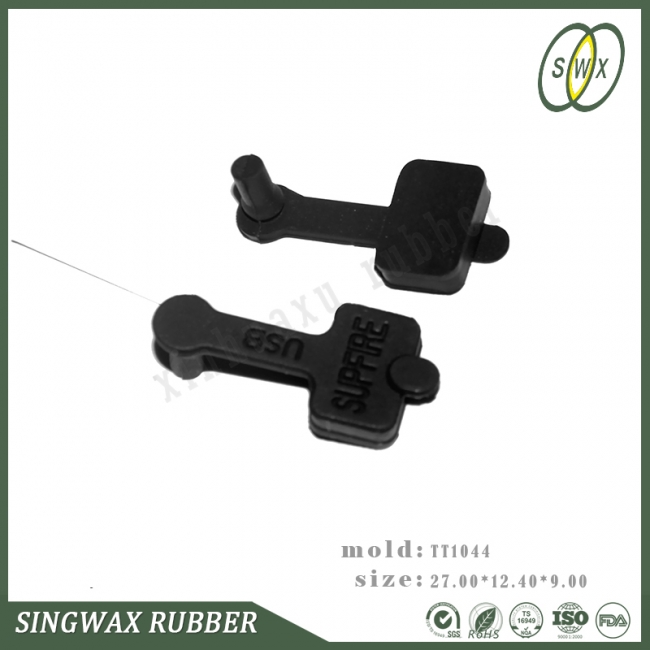 Fuel system and the diaphragm rubber productsRubber diaphragm fuel pump carburetor system is typical fuel pump structure. Diaphragm to withstand thermal impact generated by the engine, and therefore requires not only has good durability in gasoline, and must have a high heat resistance. Materials have been used are NBR and PB, has now begun to use HNBR and FPM, resistant to oxidation due to the need gasoline, for the purposes of seals, NBR, PB, HNBR and FPM can be used for shock absorbers, body insulation and seals, As for the choice of what kind of material will have to use depending on the temperature.Hydraulic steering system with rubberRubber products, hydraulic steering system, there are two hoses: High pressure hoses between the pump and gearbox; gearbox and low pressure hose between the fuel tank. Past two kinds of hose are respectively NBR and CR for the inner and outer layers of plastic. Low pressure hose inner plastic now use ACM or CSM, in order to improve its heat resistance, new high-pressure hose from the inner gum and CSM HNBR rubber composition of the outer layer of the hose is better than the past, resistance to heat.Volatile hose and carburetor fuel system hoses used the same material, which is generally used for the inner rubber NBR, CR as the outer layer of plastic.Crank cam belt drive for synchronous operation. Compared with metal chain, timing belt can reduce the exposure to noise belt and sprocket does not require lubrication, and has a lightweight features. At the same time, because of its flexibility, also applicable to multi-axis. In Japan, more than 70% of the car belt use in Europe is as high as 80%.Rubber sealing system is mainly used to prevent leakage of liquid or other material. Sometimes the manufacture of metal, plastic or fabric seals, but more is to use a rubber. When the engine and transmission systems using a petroleum lubricant, the sealing material generally used in D (NBR), acrylic rubber (ACM), silicone rubber (VMQ) or Viton (FPM).Engine oil long-life, low viscosity (fuel economy), stable at high temperatures and other lubrication, engine oil and therefore generally contain more additives. NBR purifying, antioxidant and anti-wear agents in the environment will be severely damaged, and HNBR, FPM, ACM is placed at a high temperature additive-containing oil in a long soak, but also to maintain good strength properties. Despite the low tensile strength of the ACM, but it all additives other than alkyl phosphate and lead naphthenate can maintain the stable performance. The physical properties of FPM is not high, but it has excellent heat resistance and oil resistance. HNBR tensile strength of these types of rubber maximum of resistance to various additives is the best, because they have only a slight impact on zinc dithiophosphate.Rubber products for a long time, the automotive industry has been using NBR rubber and cork manufacturing engine gaskets, but now the use of ACM and VMQ mainly to meet the heat sealing ability and compression durability. Under normal conditions, the ACM VMQ than low-temperature flexibility and heat resistance is better, but after a long soak in the oil VMQ significantly soften contrast, FPM and ACM no deterioration phenomenon.Lubricating oil cooler radiator hose and hose once the inner rubber NBR, CR-based rubber outer layer. In order to improve the heat resistance, has also been selected epichlorohydrin rubber (ECO) and chlorinated polyethylene (CM), now widely used ACM and AEM. Air duct and the intake pipe must have good flex, weather resistance, shock resistance, vacuum collapse resistance and oil resistance. Various rubber elastomers (e.g., CR, NBR / PVC, EPDM, ECO, CM, ACM) and thermoplastic elastomers (such as polyester, polypropylene, and blends of EPDM) was selected for this application, it is based on different there are different requirements for the design of the vehicle.
- Previous [Return Home] [Print] [Go Back] Next
Contact Us
Tel:
18028761392Fax:
0086 755-84518329E-mail:sales@singwax.com
E-mail:sales@singwax.com
E-mail:sales@singwax.com


