



News
Air conditioning system rubber seals
- 2016-09-05 17:34:02
-
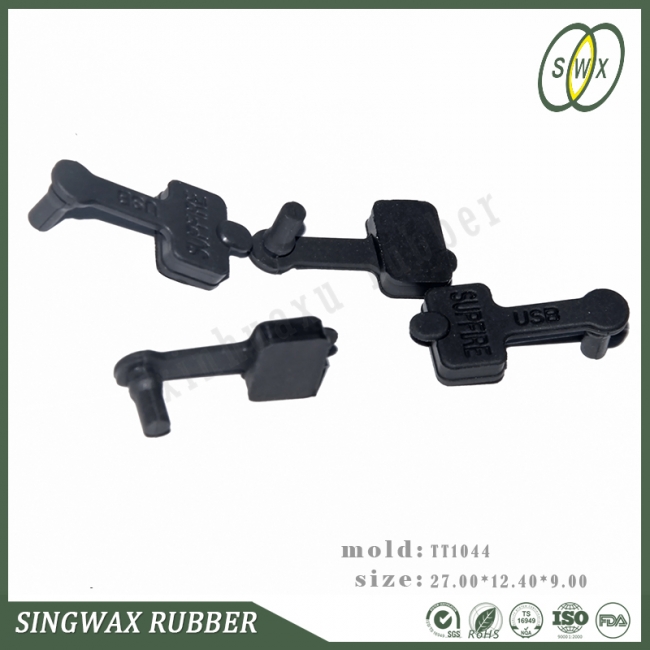 AirAir conditioning system rubber sealsWhen the refrigerant CFC12, inner plastic hose for the NBR, the outer layer of glue as CR. Now refrigerant and oil produced a change requires the use of better materials, and hose made of two layers into three layers. The inner layer having a high heat resistance and low permeability, the intermediate layer having a low permeability, the outer layer having a high heat resistance and weather resistance. Hose currently in use for the PA and EPDM blends, IIR and EPDM or modified PA blends, IIR and chlorinated IIR (CIIR) three hose.Air-conditioning compressor rubber seals with a rubber material, we need to have a high solvent resistance, resistance to both CFC-12 and also resistance to HFC-134a, no single rubber material can be simultaneously resistant to two refrigerants, but blending materials can meet this requirement, this material is called of RBR (resistant material two kinds of refrigerants).Various parts of the automotive industry made increasing demands, with heat, long life, low permeability, high wear special rubber in the automotive industry will get more and more widely.Fuel and hydraulic systemsFuel System HoseUsually by the fuel system with the fuel tank, filter, pump and connecting pipe. The fuel delivery pipe may be steel, thermoplastic (usually a polyamine) or reinforced rubber.1) filler neck hoseConnecting the oil filler cap and the fuel tank filler neck hose has been manufactured with PB. Recently developed FPM trimer inner plastic, GECO oiling hose outer layer of rubber to further reduce gasoline permeability. Under volatiles governance regulations more stringent conditions, which is crucial.2) fuel hoseThere are two oil supply system: carburetor and fuel pump. Carburetor hose system has been based on NBR or NBR / PVC (PB) as an inner layer of plastic, CR as the outer layer of plastic, until after the high content of aromatic components of gasoline put into use, the situation was changed. High content of aromatic components of gasoline will cause cracks inner NBR, NBR is used without extracting the liquid plasticizer solves this problem.Since the rise of the temperature of the engine compartment, the outer layer of rubber fuel hose from the CR into chlorosulfonated polyethylene (CSM) or epichlorohydrin - ethylene oxide - allyl ether (GECO) Three oligomer, increasing the GECO of allyl glycidyl ether (AGE) content improves the resistance to ozone and heat resistance of GECO. GECO is now widely used as a fuel hose outer layer of plastic, compared with CR and CSM, test it after oil extraction still has superior dynamic ozone resistance.In the fuel injection system, currently mainly used two types of hose: low pressure hose high pressure hose pumps and fuel injection valve between the regulator and the fuel tank between. High pressure hose inner plastic using FPM, due to its low gasoline permeability, good resistance to oxidation petrol and excellent heat resistance. Low pressure hose with inner plastic FPM or HNBR. Compared with the FPM, HNBR fuel poor permeability, but low prices. Compare and NBR, HNBR oxidation after gasoline immersion test the tensile strength is high, and has a good overall physical properties. conditioning system rubber sealsWhen the refrigerant CFC12, inner plastic hose for the NBR, the outer layer of glue as CR. Now refrigerant and oil produced a change requires the use of better materials, and hose made of two layers into three layers. The inner layer having a high heat resistance and low permeability, the intermediate layer having a low permeability, the outer layer having a high heat resistance and weather resistance. Hose currently in use for the PA and EPDM blends, IIR and EPDM or modified PA blends, IIR and chlorinated IIR (CIIR) three hose.Air-conditioning compressor rubber seals with a rubber material, we need to have a high solvent resistance, resistance to both CFC-12 and also resistance to HFC-134a, no single rubber material can be simultaneously resistant to two refrigerants, but blending materials can meet this requirement, this material is called of RBR (resistant material two kinds of refrigerants).Various parts of the automotive industry made increasing demands, with heat, long life, low permeability, high wear special rubber in the automotive industry will get more and more widely.Fuel and hydraulic systemsFuel System HoseUsually by the fuel system with the fuel tank, filter, pump and connecting pipe. The fuel delivery pipe may be steel, thermoplastic (usually a polyamine) or reinforced rubber.1) filler neck hoseConnecting the oil filler cap and the fuel tank filler neck hose has been manufactured with PB. Recently developed FPM trimer inner plastic, GECO oiling hose outer layer of rubber to further reduce gasoline permeability. Under volatiles governance regulations more stringent conditions, which is crucial.2) fuel hoseThere are two oil supply system: carburetor and fuel pump. Carburetor hose system has been based on NBR or NBR / PVC (PB) as an inner layer of plastic, CR as the outer layer of plastic, until after the high content of aromatic components of gasoline put into use, the situation was changed. High content of aromatic components of gasoline will cause cracks inner NBR, NBR is used without extracting the liquid plasticizer solves this problem.Since the rise of the temperature of the engine compartment, the outer layer of rubber fuel hose from the CR into chlorosulfonated polyethylene (CSM) or epichlorohydrin - ethylene oxide - allyl ether (GECO) Three oligomer, increasing the GECO of allyl glycidyl ether (AGE) content improves the resistance to ozone and heat resistance of GECO. GECO is now widely used as a fuel hose outer layer of plastic, compared with CR and CSM, test it after oil extraction still has superior dynamic ozone resistance.In the fuel injection system, currently mainly used two types of hose: low pressure hose high pressure hose pumps and fuel injection valve between the regulator and the fuel tank between. High pressure hose inner plastic using FPM, due to its low gasoline permeability, good resistance to oxidation petrol and excellent heat resistance. Low pressure hose with inner plastic FPM or HNBR. Compared with the FPM, HNBR fuel poor permeability, but low prices. Compare and NBR, HNBR oxidation after gasoline immersion test the tensile strength is high, and has a good overall physical properties.
- Previous [Return Home] [Print] [Go Back] Next
Contact Us
Tel:
18028761392Fax:
0086 755-84518329E-mail:sales@singwax.com
E-mail:sales@singwax.com
E-mail:sales@singwax.com


