



News
Hydraulic seals material with hydraulic oil (liquid) compatibility
- 2016-06-14 17:42:46
-
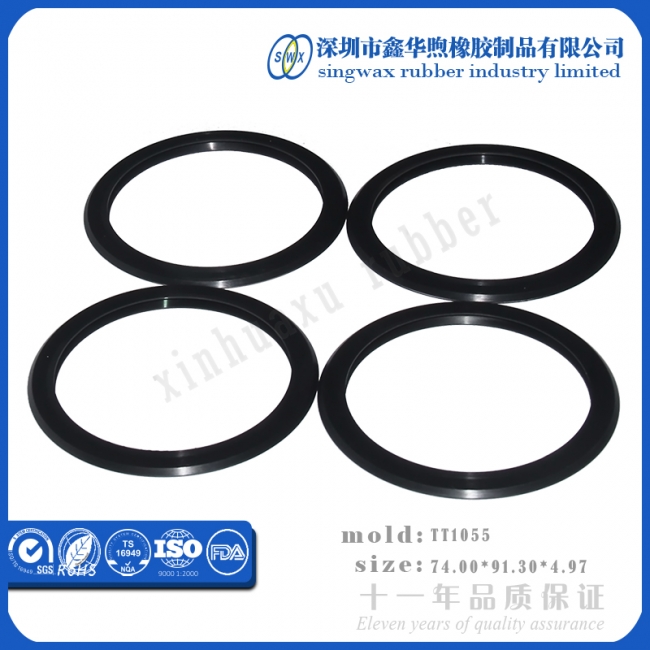 ??Hydraulic seals??Hydraulic seals material with hydraulic oil (liquid) compatibility??Nitrile rubber hydraulic seals suitable for petroleum-based hydraulic oil, glycol-based hydraulic oil, diester Department of lubricating oil, gasoline, water, silicone grease, silicone and other media use. Nitrile rubber hydraulic seal is currently the most widely used and lowest cost rubber seals. Does not apply to polar solvents being, such as ketones, ozone, nitro hydrocarbons, MEK and chloroform. General temperature range of -40 ~ 120 ?. From material to material, the use of static pressure is less than 20Mpa. Sometimes for dynamic, dynamic pressure is smaller than 5Mpa, semiconductor and vacuum sealing. Alternative sizes are: cross-sectional diameter of about 0.35 ~ 12mm inner diameter up to 1000mm and above??Hydraulic Seals material and hydraulic oil (liquid) compatibility: source of particulate pollution of hydraulic oil seal material is incompatible with the hydraulic oil and the resulting "scrap" or "debris." Hydraulic seals due to "swelling" was damaged resulting "scrap" or "extraction" out of the combination of inorganic filler and reinforcing materials, the hydraulic seal damage and failure, while the formation of oil pollution causing hydraulic oil deterioration that failure.??Hydraulic seals have a "swelling" or "extraction" because the hydraulic oil additives various chemical elements and their concentration contained, according to "like dissolves like" principle, have different effects on different sealing materials, also both a medium resistance of the sealing material. For example: 320 460 gear oil and gear oil show polar phosphorus (P) element concentration at 300ppm or so, so for containing acrylonitrile butadiene rubber having a polar group, has excellent oil resistance, but not suitable for the type oil medium conditions.??With the continuous development of hydraulic oil (oil) varieties to improve oil (liquid) performance of a variety of anti-wear and extreme pressure additives, metal deactivators, demulsifiers and anti-foam additives, etc., on the material of the sealing member We need to be verified by experiment. material with hydraulic oil (liquid) compatibility??Nitrile rubber hydraulic seals suitable for petroleum-based hydraulic oil, glycol-based hydraulic oil, diester Department of lubricating oil, gasoline, water, silicone grease, silicone and other media use. Nitrile rubber hydraulic seal is currently the most widely used and lowest cost rubber seals. Does not apply to polar solvents being, such as ketones, ozone, nitro hydrocarbons, MEK and chloroform. General temperature range of -40 ~ 120 ?. From material to material, the use of static pressure is less than 20Mpa. Sometimes for dynamic, dynamic pressure is smaller than 5Mpa, semiconductor and vacuum sealing. Alternative sizes are: cross-sectional diameter of about 0.35 ~ 12mm inner diameter up to 1000mm and above??Hydraulic Seals material and hydraulic oil (liquid) compatibility: source of particulate pollution of hydraulic oil seal material is incompatible with the hydraulic oil and the resulting "scrap" or "debris." Hydraulic seals due to "swelling" was damaged resulting "scrap" or "extraction" out of the combination of inorganic filler and reinforcing materials, the hydraulic seal damage and failure, while the formation of oil pollution causing hydraulic oil deterioration that failure.??Hydraulic seals have a "swelling" or "extraction" because the hydraulic oil additives various chemical elements and their concentration contained, according to "like dissolves like" principle, have different effects on different sealing materials, also both a medium resistance of the sealing material. For example: 320 460 gear oil and gear oil show polar phosphorus (P) element concentration at 300ppm or so, so for containing acrylonitrile butadiene rubber having a polar group, has excellent oil resistance, but not suitable for the type oil medium conditions.??With the continuous development of hydraulic oil (oil) varieties to improve oil (liquid) performance of a variety of anti-wear and extreme pressure additives, metal deactivators, demulsifiers and anti-foam additives, etc., on the material of the sealing member We need to be verified by experiment.
- Previous [Return Home] [Print] [Go Back] Next
Contact Us
Tel:
18028761392Fax:
0086 755-84518329E-mail:sales@singwax.com
E-mail:sales@singwax.com
E-mail:sales@singwax.com


